Furniture encompasses a wide range of functional and aesthetic items designed to support daily living, rest, and work. In this category, structural elements like frames, supports, and surfaces interact with textiles to create durable, comfortable, and visually cohesive environments. Understanding materials, construction methods, and ergonomic considerations helps clarify how furniture contributes to room usability and overall sleep quality.
Key features to consider include material durability, joinery, weight capacity, and finish resistance. For bedding-related furniture, factors such as moisture resistance, ease of cleaning, and antimicrobial properties may influence long-term performance. The interplay between frame stability, headboard design, and mattress compatibility also affects how spaces accommodate relaxation and activity alike.
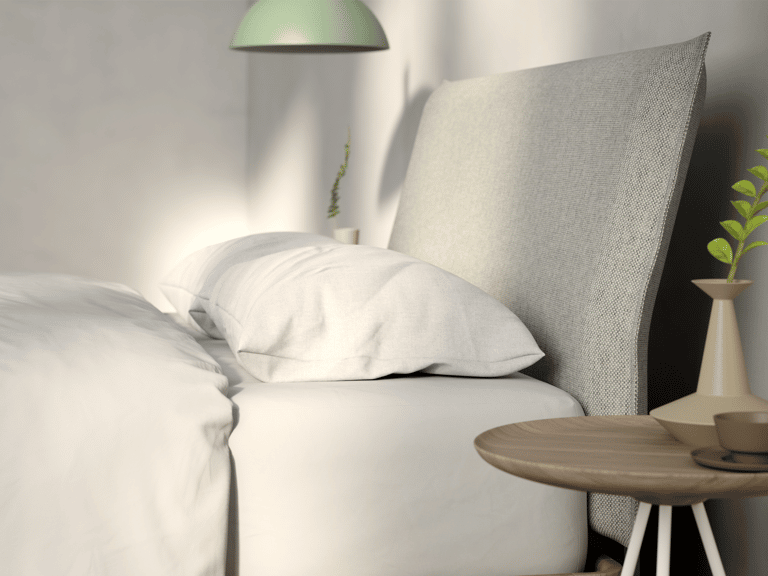
Within this category, Pillow Repose Headboard exemplifies how design can enhance support and aesthetics. This piece combines supportive cushioning with an ergonomic profile to reduce strain during seated activities, while its surface texture and height contribute to visual balance in bedroom arrangements. Such features illustrate the link between comfort engineering and interior harmony.
Material selections like wood, engineered composites, or metal alloys offer varying levels of resilience and style. Alongside textiles used for upholstery or padding, these choices influence acoustic properties, thermal comfort, and tactile experience. Evaluating these aspects helps users anticipate how furniture performs across different climates and daily routines.
Understanding the broader category of furniture also involves recognizing its relationship to bedding ecosystems, including sheets, memory foam pillows, and latex options. Proper alignment between furniture design and bedding components supports restful sleep, organized living spaces, and streamlined maintenance practices in domestic environments.
 Furniture