A Practical Guide to Eco-Friendly Pillows: Materials, Brands, and Care
A thoughtful exploration of sustainable pillow options, from natural fillings to responsible down, and practical advice on choosing, caring for, and prolonging the life of your pillows.
Published September 30, 2026
Pillows are intimate objects. They cradle our heads, support our spines, and quietly influence the quality of sleep that stitches together our days. In the eco-conscious landscape of home goods, the pillow stands at a crossroads: a source of comfort and a potential footprint. The goal of this guide is to illuminate the path to pillows that feel luxurious without compromising health or the planet. We will wander through materials—natural fibers, recycled fills, and responsibly sourced down—alongside shells and construction choices that matter for durability and comfort. We will also spotlight brands that have earned trust through transparency, certifications, and consistent quality: Naturepedic, Savvy Rest, Sleep and Beyond, and Society Limonta. Finally, we will translate certifications like GOTS and RDS into practical, everyday buying decisions.
What makes a pillow sustainable? The short answer is a blend of materials that minimize harm while delivering comfort, and a supply chain that respects people and ecosystems. The long answer involves a nuanced conversation about lifecycle impacts: from the origin of the fiber to the way the cover is woven, from the energy used in production to the end-of-life options for disposal or recycling. This guide will help you weigh these factors without sacrificing the sleep experience you deserve.
Materials: natural fillings, recycled, and responsibly sourced down
Natural fillings have a long history of comfort and temperature regulation. Organic wool, kapok, alpaca, and buckwheat or millet hulls offer breathable loft, natural moisture management, and hypoallergenic properties in many configurations. Each material has its own character: wool breathes and wicks moisture; kapok yields airy, buoyant loft; alpaca provides warmth with a lighter touch; and hulls offer a firmer, adjustable support. When paired with an organic cotton or other natural shell, these fillings can create a pillow that remains comfortable for years with proper care.
Down and feather remains a benchmark for traditional comfort, but the ethical and environmental considerations demand scrutiny. The Responsible Down Standard (RDS) seeks to ensure animal welfare in the supply chain, prohibiting live plucking and feather forcing. Modern pillow makers harmonize loft and resilience with ethics by revealing fill power, grading, and purity of the shell fabrics. Certifications such as the Global Organic Textile Standard (GOTS) govern organic fiber processing and the overall environmental footprint of textiles, ensuring that the product aligns with broader environmental and social criteria.
Within the universe of eco-friendly pillows, you will find two broad tracks: (1) natural fillings that are grown or harvested with mindful stewardship, and (2) recycled or responsibly sourced down, sometimes mixed with natural fibers to balance loft and responsiveness. Each choice has trade-offs in feel, temperature regulation, weight, and longevity. The trick is to align your selection with your sleep style, allergies, climate, and personal values.
In this guide, we reference brands that foreground transparency and consistent quality. Naturepedic emphasizes non-toxic materials and safety standards; Savvy Rest specializes in customizable, all-natural fills; Sleep and Beyond offers a heritage of wool- and latex-based options; Society Limonta contributes refined down and pillow designs with a European approach to materials. While style and aesthetics vary—soft, plush pillow versus firmer, contouring support—the underlying theme is the same: a pillow that not only comforts the head and neck but does so with a lighter environmental footprint.
Shells and construction: what makes a pillow durable and comfortable
A pillow is a marriage of inner fill and outer shell. The shell’s weave, thread count, and fiber choice influence breathability, durability, and how the pillow feels against the skin. An organic cotton cambric or sateen envelope can offer a soft, cool surface, while linen blends and other natural fibers can provide distinct textures and moisture management. Zippers, envelope closures, and removable covers add longevity by enabling regular washing and maintenance without compromising the integrity of the fill.
Adjustability is a hallmark of sustainability in pillow design. Some designs—particularly those featuring shredded latex, kapok, or wool—allow you to add or remove fill to calibrate height and firmness. This modularity can extend a pillow’s usable life by accommodating changing preferences or body dynamics, reducing the need for frequent replacement.
For travelers and people with unique support needs, shapes like neckrolls, lumbar components, and boomerang silhouettes provide targeted alignment for the cervical spine. The right form can reduce shoulder tension and neck strain, contributing to deeper, more restorative sleep. When considering eco-friendly choices, ensure the construction supports longevity: sturdy edges, reinforced seams, and a filling that resists clumping and migration over time.
Brands in focus: real-world examples of sustainable pillows
Naturepedic demonstrates what it means to combine non-toxic materials with comfort. Their approach centers on safe, organic fabrics and latex fillings that are free from polyurethane foams and chemical additives. This aligns with health-conscious consumers seeking a more transparent supply chain and products that are simple to sanitize and maintain.
Savvy Rest emphasizes customization and organic materials. Their line offers shredded latex, organic wool, kapok, and blends that can be tailored to an individual’s sleeping posture. Their emphasis on certifications and purity helps customers understand what goes into a pillow and why certain fills perform better for specific sleep positions.
Sleep and Beyond has a long heritage rooted in natural materials, including wool and cotton, with a focus on sustainable manufacturing practices. Their pillow lines are often designed for year-round comfort and long-term durability, backed by a willingness to discuss care and maintenance at length.
Society Limonta, a European influence in the pillow world, shows how luxury can intersect with performance. Their down- and feather-based options often come with high thread-count shells and careful attention to loft and stability. The result is a sleep experience that balances refinement with dependable support, all while maintaining a commitment to quality materials.
Certifications decoded: reading the label like a sleep scientist
When you encounter a label that touts GOTS, you are looking at a guarantee that the cotton fibers and processing meet organic standards across the supply chain, from farming to finishing. GOTS is not a catch-all for every environmental concern, but it signals a rigorous commitment to organic materials and social criteria in textile production.
RDS, the Responsible Down Standard, is a certification that aims to ensure animal welfare in down supply chains. It’s not a moral absolute, but it serves as a critical guideline that distinguishes ethically sourced down from conventional alternatives. If your pillow uses down or feather fillings, RDS can be a decisive factor in your decision to purchase.
Beyond these two, look for additional transparency: the origin of the fill, the processing steps, and the shell’s fabric composition. A brand that clearly states where cotton is grown, where the wool is sourced, and how the fibers are cleaned can offer reassurance about the overall environmental footprint of the product. In practice, you want a pillow whose labels reveal a coherent story of integrity, traceability, and responsibility.
In the context of our featured brands, Naturepedic, Savvy Rest, Sleep and Beyond, and Society Limonta exemplify this transparency ethos. They provide explicit detail about materials, processing, and often certifications that help consumers connect choices to outcomes for themselves and the environment.
Care and longevity: practical steps to extend pillow life
A sustainable pillow is not just a good buy; it is a relationship that lasts. Correct care reduces odor buildup, prevents mold, and preserves loft. Here are practical guidelines that work across materials and fills, with notes on some material-specific care:
- Removable covers: Wash regularly. Cold or warm water depending on fabric instructions, with a mild detergent. Dry on low heat or air dry to preserve loft and avoid fiber damage.
- Protectors and encasements: Use washable, breathable protectors to shield against sweat, oils, and dust mites. This reduces the frequency of full pillow washing and extends life.
- Fluff and repositioning: Regularly fluff or shake pillows to redistribute fill and prevent uneven settling. For adjustable fills, re-check loft after adding or removing fill.
- Drying: For down and natural fills, ensure thorough drying to prevent mildew. Tennis balls or clean dryer balls can help restore loft when using a commercial dryer.
- Spot cleaning: For delicate fills such as kapok or wool, spot clean and air dry, avoiding immersion in water that could cause clumping or fiber collapse.
- Storage: When not in use for extended periods, store in a breathable bag away from moisture and direct sunlight to prevent deterioration and color fading.
Brand-specific guidance often accompanies care instructions for particular fillings. For instance, natural wool pillows may come with care notes emphasizing spot cleaning and avoiding complete immersion, while kapok-based pillows might advise against machine washing to protect the delicate plant fibers. Following these guidelines helps maintain performance and reduces the need for replacement, aligning with sustainable consumption principles.
A thoughtful care routine also benefits sleep quality. Clean, breathable pillows contribute to a healthier environment, which in turn supports healthier rest. When a pillow reaches a point where its support has clearly diminished, consider responsibly recycling or returning it to the manufacturer if they offer take-back programs. This closes the loop on the lifecycle of a pillow and reduces landfill impact.
Putting it into practice: a practical buying guide
If you are seeking an eco-friendly pillow, start with your sleep position and any allergen considerations. Side sleepers often benefit from a higher loft and firmer support. Back sleepers may prefer a more balanced loft with medium support. Stomach sleepers might opt for a lower profile and a softer fill for comfort. This personal baseline helps narrow the field before you consider materials and certifications.
When evaluating fillings, think about your climate. Wool and kapok tend to perform well in warmer environments due to their breathability, while certain blended fillings can offer warmth and insulation in cooler climates. If you have allergies, prioritize hypoallergenic options and washed fills with clear allergen statements. If animal welfare is a central concern, confirm RDS certification and inquire about how the down or feather is sourced.
If you appreciate the luxury and predictability of a traditional down pillow, look for a high fill power and a well-sealed shell to minimize feather leakage. For a more contemporary, adjustable experience, consider shredded latex or wool-filled designs that allow you to tailor loft to your body’s needs. In all cases, choose a shell that breathes and is easy to clean—organic cotton remains a versatile, reliable choice for many eco-conscious sleepers.
For hands-on guidance, you may begin with models that clearly articulate material percentages, certifications, and care instructions. For instance, Lumbar, Boudoir & Neckroll Pillows from Ogallala Comfort Company offer a compact, adaptable form with a cambric cotton shell and a 600-fill power Cloud blend fill, designed for durability and comfort in a range of decorative and functional uses. While decorative in appearance, their materials and construction are chosen for long-life performance—an important reminder that sustainable choices can be both practical and aesthetically pleasing.
Another option, the Japanese Size Support Pillow by Sachi Organics (as described in a traditional, craft-focused context) emphasizes a compact profile with buckwheat hulls or millet hulls inside an organic cotton canvas cover. This approach highlights how natural materials can yield firmness and support without synthetic intermediaries, aligning with a sustainable ethos while offering tactile and thermal benefits unique to plant-based fibers.
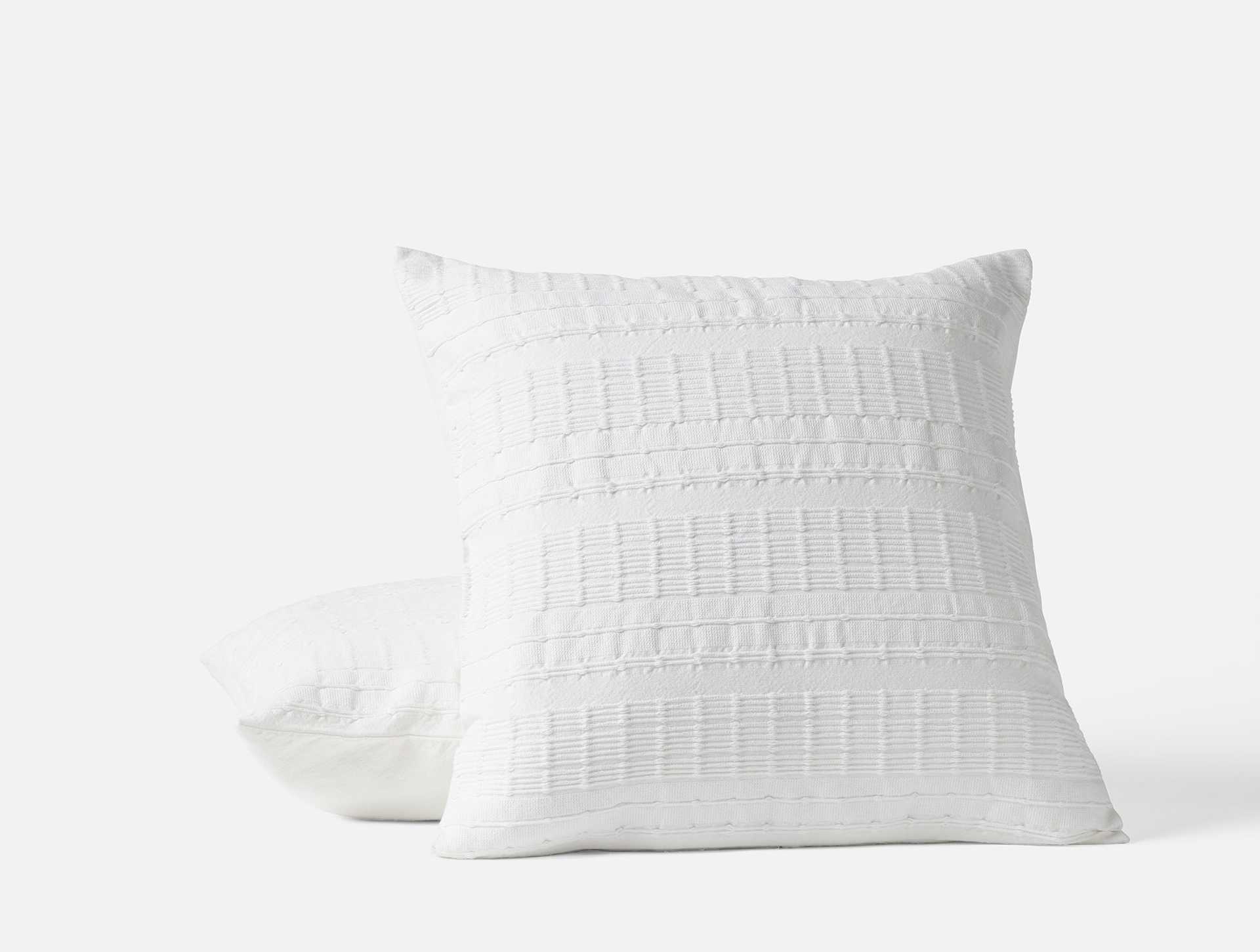
Finally, consider a pillow cover or decorative add-ons that complement your eco-friendly pillow. For example, a Sea Ridge Organic Decorative Pillow Cover from Coyuchi uses 100% certified organic cotton with a GOTS certification and Fair Trade production. While this is a decorative piece, it reflects a broader commitment to organic fabrics and ethical manufacturing practices, reinforcing the sustainability narrative across your bedding ecosystem.
Conclusion: choosing comfort with conscience
Eco-friendly pillows are not a single solution but a spectrum of choices that reflect values, health considerations, and daily rituals. The right pillow offers a whisper-quiet affirmation of sustainable living: a product that respects the earth, honors workers, and delivers the restorative sleep we all seek. As you navigate the options—natural fibers, responsibly sourced down, recyclable or biodegradable shells, and transparent certifications—your aim should be to select a pillow that feels right in your body and aligns with your principles.
The brands highlighted here—Naturepedic, Savvy Rest, Sleep and Beyond, and Society Limonta—illustrate how quality, ethics, and comfort can converge. By prioritizing materials with integrity, understanding the role of certifications, and embracing thoughtful care, you can cultivate a sleep environment that is both luxurious and responsible. In the quiet hours of the night, when the mind wanders to tomorrow’s to-do lists, the pillow becomes a gentle partner in a larger plan: rest as a sustainable practice, and sleep as a daily act of care for self and the world.
If you’d like, I can tailor this guide further to your shopping preferences, create a quick-start checklist for eco-friendly pillow shopping, or assemble a reviewer’s grid that compares specific pillow models side by side. The aim remains the same: to help you rest well while treading lightly on the planet.
Product spotlight
Lumbar, Boudoir & Neckroll Pillows
Compact decorative pillows with a cambric cotton shell and a 600-fill power Cloud blend fill—breathable, hypoallergenic, crafted to order.
Brand: Ogallala Comfort Company • Link: /products/lumbar-boudoir-neckroll-pillows-4984
Japanese Size Support Pillow
Compact, firm pillow with buckwheat or millet hulls; organic cotton canvas cover; adjustable loft via zipper.
Brand: Sachi Organics • Link: /products/japanese-size-support-pillow-4701
Sea Ridge Organic Decorative Pillow Cover
GOTS-certified organic cotton cover with envelope closure; Fair Trade production; 22x22 cover compatible with varied fills.
Brand: Coyuchi • Link: /products/sea-ridge-organic-decorative-pillow-cover-6099
Further reading and resources
For readers who want to dive deeper into the architecture of comfort, the following topics offer productive next steps: a closer look at GOTS-certified cottons and the environmental calculus of textile processing; an exploration of wool production and its lifecycle impacts; and an examination of how recycled materials, such as recycled down or post-consumer fibers, compare in loft, durability, and feel to traditional fillings.
Additionally, consider exploring how pillow design intersects with broader sleep health discussions—circadian rhythms, sleep hygiene, and the role of the sleep environment in fatigue management. By linking material science, environmental ethics, and daily routines, you can cultivate a more informed, more comfortable sleep experience—and a pillow that feels right in your home and conscience.